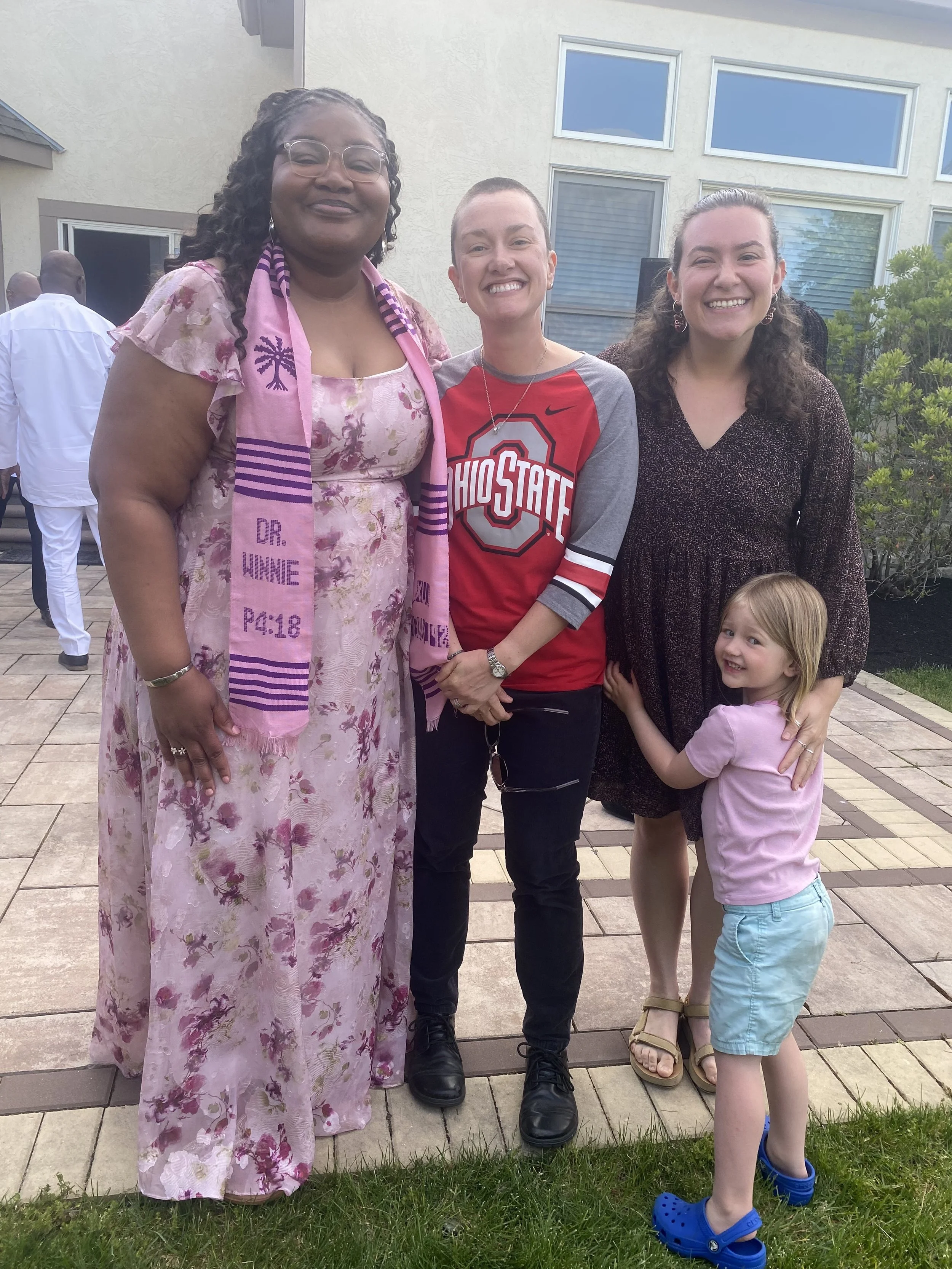
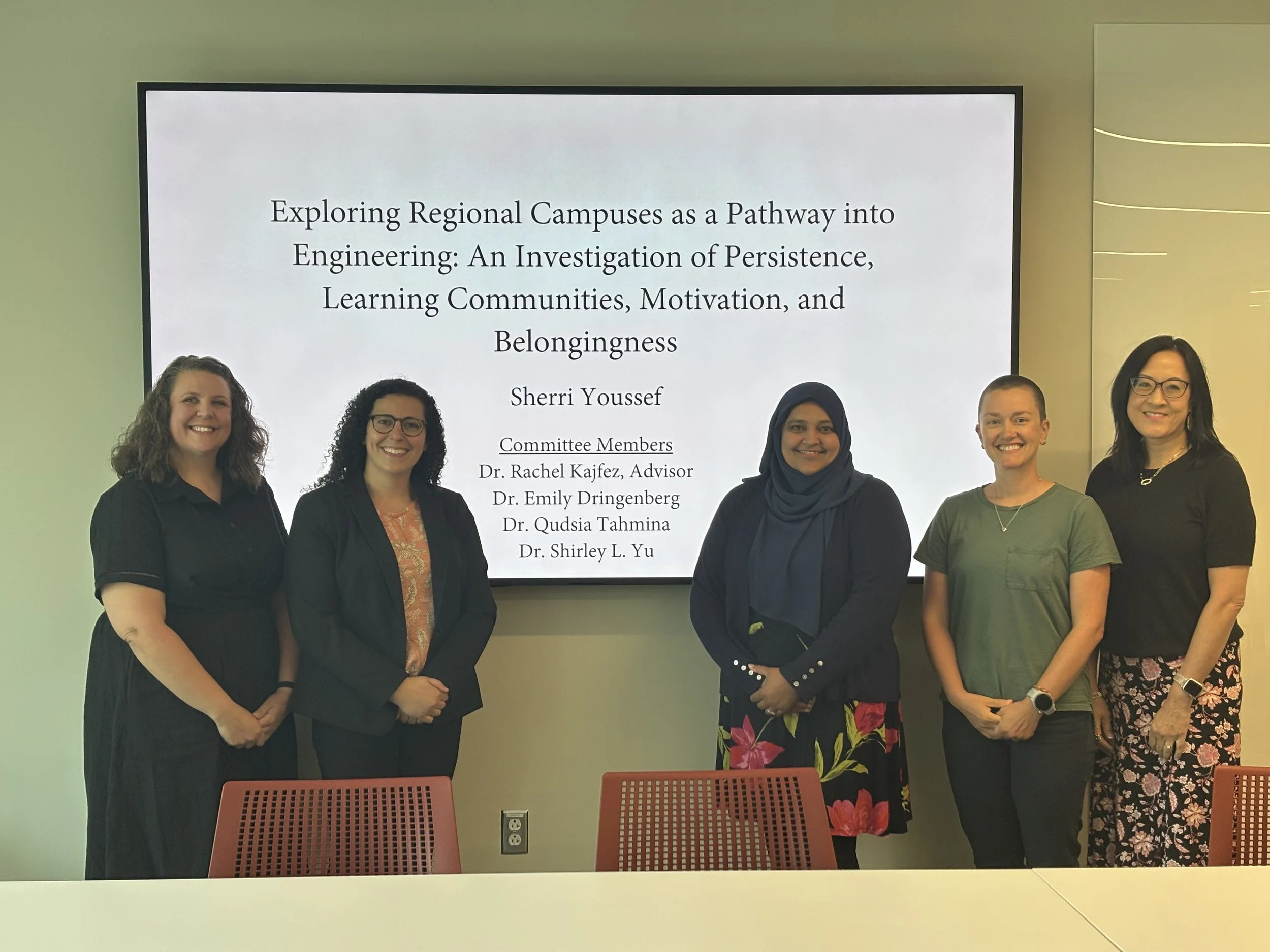
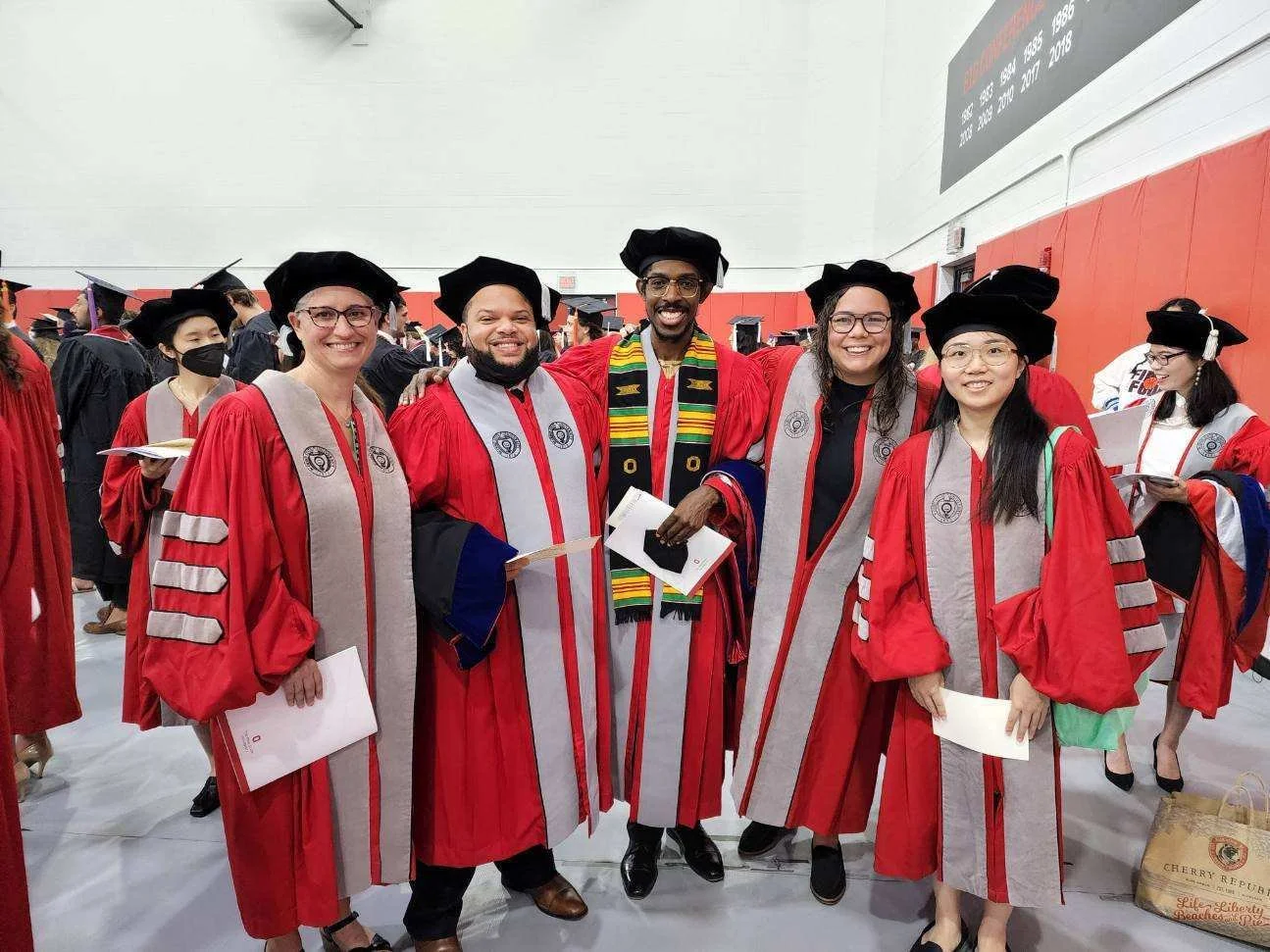
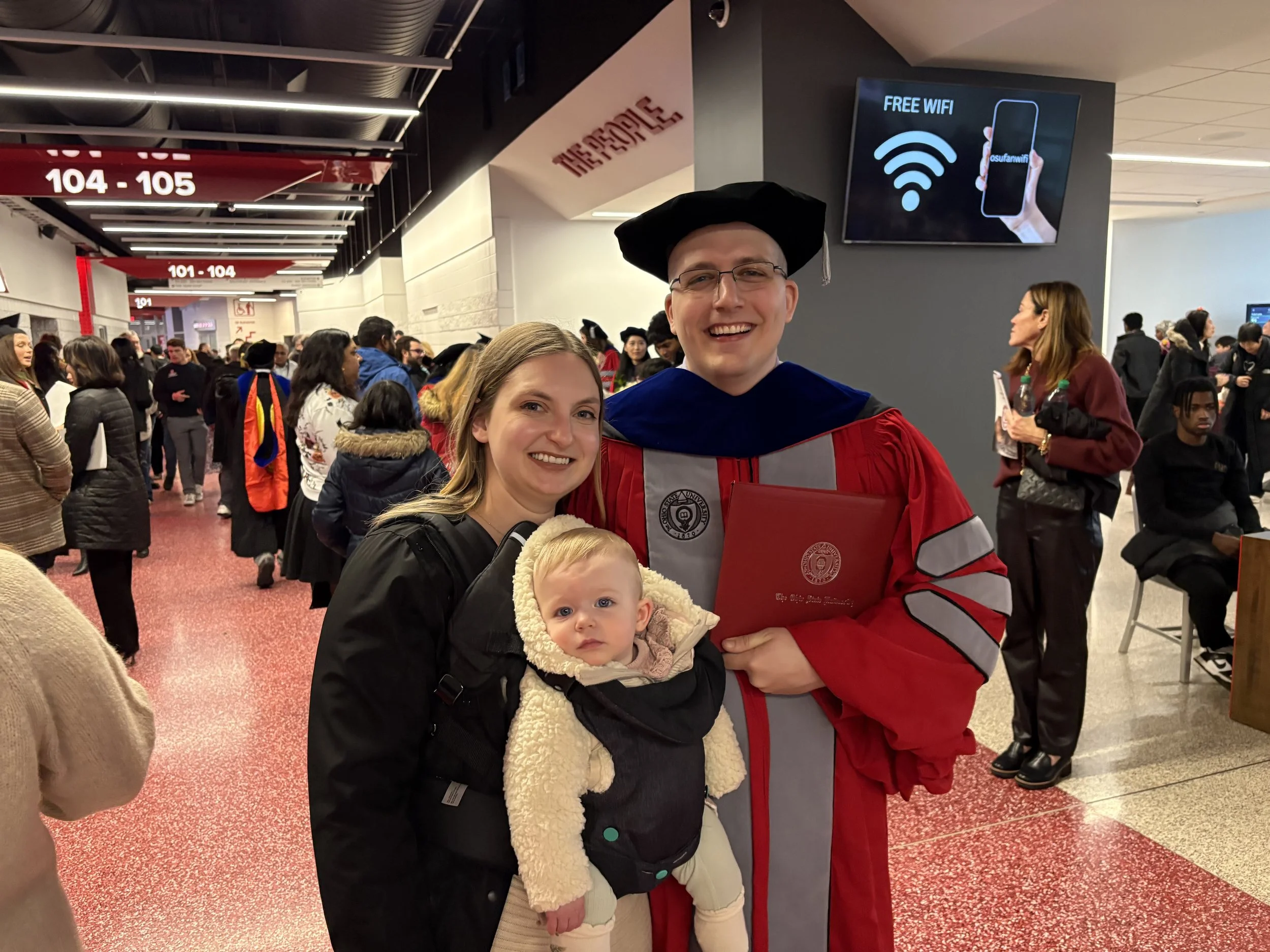
Here’s more about how I move as a scholar, collaborator, and mentor…
Doing research brings me joy. Research is a social process, so my research accomplishments reflect my strong relationships and the trust I’ve built with collaborators to allow us to go deep and discover new things about the world around us. I treasure the times I get to dream up research ideas, lead research teams, collaborate with other researchers, and mentor or advise researchers. It’s awesome. I’ve learned over the years that I have some things that matter for how I show up. Keep reading if you’d like to know more!

I am intentional in all that I do. This shows up in that I need to understand the context and reasons behind everything. I am constantly asking “why”? Why do so many people wonder if they are “smart” enough for engineering? Why is our society so inequitable? My deep curiosity about how things work and why things happen as they do is the reason I studied engineering and the reason I am now a researcher. As an advisor of doctoral students and research collaborator or mentor, I expect scholars to think deeply and thoroughly about their ideas, which takes time and effort but results in high quality research. People sometimes get frustrated that I slow things down by pushing to work with intention and deep understanding. I am not someone who can just “go through the motions.” My default of always establishing a rationale for what we do in our research adds value to researcher development and leads to robust research designs and impactful outcomes.
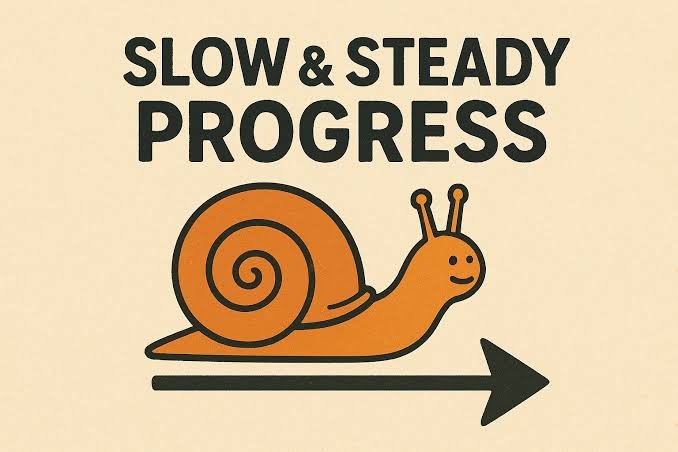
In terms of work style, I take a slow and steady approach to pursuing my goals. I believe that it is critical to figure out how to make consistent, measurable progress because our best achievements are the result of regular and sustained attention and effort. Great ideas require development, feedback, and iteration, which takes time. Plus, being rushed triggers my anxiety. I am committed to resisting the neoliberal norms that say we have to move fast to be successful. Nothing makes me cringe more than when someone admits they submitted a paper or proposal that they waited to write until the night before it was due, eek! So, I develop plans that foster working at a humane pace, and I expect the students I work with to develop a daily writing habit. I firmly believe that progress is made when we show up, try our best, and reflect every single day. My bit-by-bit way of working supports productivity while building in a cushion for when “life happens” and we must persevere in the face of adversity.

I am motivated by a deep and consistent desire to recognize and combat oppression in the lives I touch. Since long before I learned to use words like “systems of oppression,” “privilege,” or “social justice,” I was always trying to figure out how I could resist or disrupt the inequities I observed in the lives of those around me. I know that equity requires systemic change, and I am someone who feels fulfilled when I can directly support the people in my life. Therefore, I am committed to a life in community with diverse and inclusive researchers, and I strive to learn about my collaborators as whole people. My desire to combat oppression also manifests in my ways of encouraging others. For example, I tend to go into “pep talk” mode…I see peoples’ unique brilliance and want to support while they navigate inequitable systems. It means the world to me when I am able to earn peoples’ trust because when they share their authentic experiences with me, I get better at recognizing systemic inequities and learning to leverage my privilege to support others.
One final thing you should know if you are interested in working closely with me is that I am constantly trying to optimize the systems and processes that define my days. Like I’m THAT person who believes that she knows the one TRULY CORRECT way to load the dishwasher…haha! Joking aside, I always try to front-load efficiency into my life because I believe it frees up our precious time and attention to think deeply about big ideas and generate transformative contributions. My consistent desire to make things run smoothly and easily shows up in the highly-organized systems that I implement wherever possible. At the same time, I recognize that some of the most important pathways to achieving my goal of spurring equitable change (e.g., trust, love, community) develop organically and over time, which means I treasure students and collaborators who can remind me to abandon my well-laid plans for efficiency when necessary.